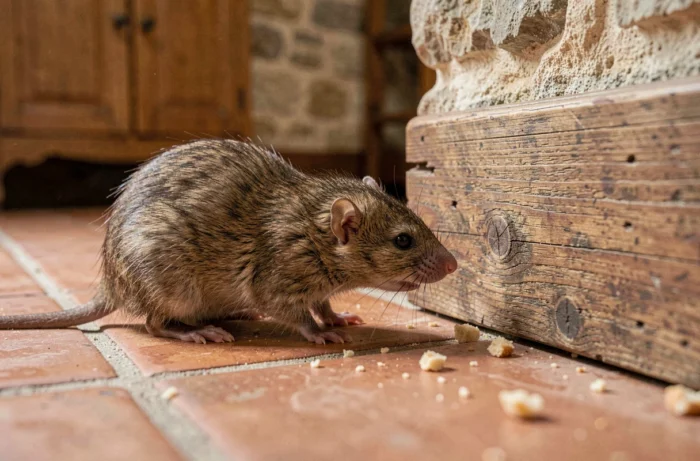
The shrew is an insect-eating mammal, not a rodent. It belongs to the order Eulipotyphla, alongside moles and hedgehogs. Its long, pointed snout, tiny eyes and musky odor clearly distinguish it from a mouse. Understanding this difference fundamentally changes how you assess its presence in your home and what steps you should take.
Shrews attracted by insects: the often-overlooked food source
Most articles cite cold weather or the search for shelter to explain why a shrew enters a home. These factors play a role, but they can obscure a more direct cause: shrews follow their prey right into your home.
Shrews feed on invertebrates such as earthworms, larvae, slugs and spiders. If your home has an insect population, particularly in damp areas such as the cellar, crawl space or laundry room, it becomes a hunting ground. Shrews do not come in to nibble on your food. They hunt the small animals they feed on.
One practical clue: if you regularly find spiders or woodlice in certain rooms, a shrew in your home is probably there because of this food source, rather than simply because of a cold draft. Reducing the number of insects indoors will automatically make your home less attractive to shrews.
Shrew protection status in France: what the law requires
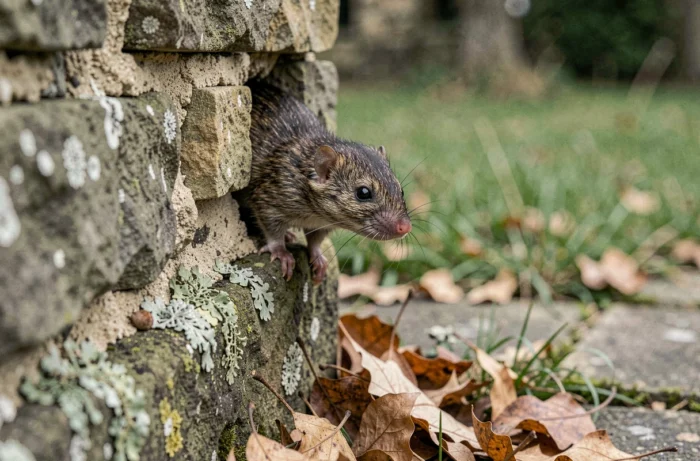
Not all shrews have the same level of legal protection, but several species in France are listed as protected mammals. The water shrew and Miller’s water shrew, for example, are covered by a mammal protection order. Killing, capturing or injuring them is an offense.
The practical challenge is that identifying a species with the naked eye in a poorly lit cellar is very difficult. Common species, such as the greater white-toothed shrew and the common shrew, vary little in size and color. If you cannot identify the species with certainty, the safest course, both legally and ethically, is not to kill the animal.
This has a direct bearing on the choice of deterrent methods. Lethal devices such as rodenticides and snap traps pose a double problem: they could kill a protected animal, and they are designed for rodents, not insectivores.
Glue traps: a risk of accidental capture
Glue traps are not selective. Designed for mice or rats, they indiscriminately catch any small animal that crosses them, including shrews. Trapped animals die slowly from stress, dehydration or injuries sustained while trying to escape.
Aside from the issue of animal suffering, using a glue trap in an area frequented by shrews risks catching a protected species. A live-capture trap (cage trap) is a better option, allowing you to release the animal unharmed.
Shrew in the house: practical ways to get it out
Shrews are solitary, nervous animals that do not seek to settle indoors for long. In most cases, one has entered through an open access point, such as a garage door, basement window or crack at the base of a wall, and cannot find its way back out.
Humane capture with a live trap or container
The most reliable method is a live-capture trap, such as a baited cage trap. A piece of fruit or an insect placed inside is enough to attract the animal. Once caught, release the shrew a sufficient distance from the house to prevent it from returning straight away.
If you do not have a live trap, you can gently place a sturdy container, such as a plastic box or mixing bowl, over the animal, then slide a piece of stiff cardboard underneath to carry it outside. Handle it calmly: a stressed shrew may bite, and although the bite is superficial, it can be unpleasant.
Remove food sources and seal entry points
Getting the animal out will only solve the problem temporarily if the conditions that attracted it remain. Two preventive measures work together:
- Reduce insect populations in damp areas such as cellars, basements and crawl spaces by improving ventilation and eliminating sources of standing moisture.
- Seal entry points, including garage door seals, cracks at the base of walls and unsealed pipe openings. A hole just a few centimeters in diameter is enough for a shrew to get through.
- Avoid storing firewood directly against the exterior walls of your home. Woodpiles provide transitional habitat where shrews can settle before finding an opening into the house.
Shrews in the garden: why you should keep them as beneficial wildlife
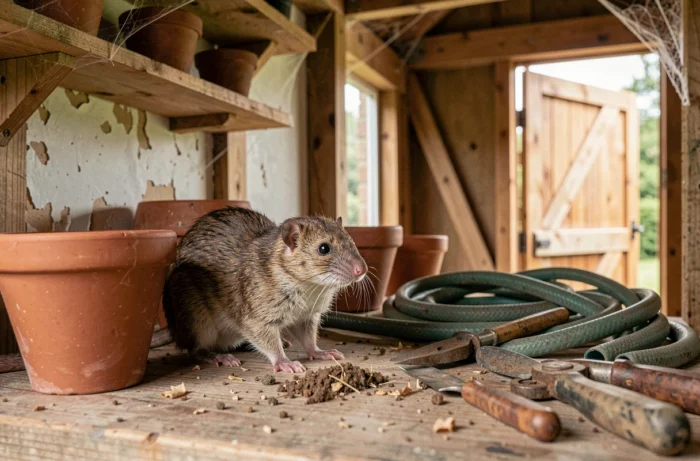
A shrew found indoors almost always comes from the adjoining garden. In that environment, however, it acts as a natural pest-control ally. Its diet includes slugs, cockchafer larvae, white grubs and various insects that damage crops.
Unlike rodents, shrews do not attack roots, bulbs or seedlings. Confusing them with voles, which can cause real damage in vegetable gardens, sometimes leads people to eliminate a gardener’s ally.
The goal is therefore not to eradicate shrews from your property, but to limit their access to your home. A garden that supports shrews is an ecologically healthy garden, as long as the boundary between indoors and outdoors remains secure.
The presence of this animal nearby indicates soil rich in underground life and a functioning food chain. Eliminating shrews from the garden would remove one link in the natural regulation of invertebrate populations, without benefiting your home if entry points are properly sealed.