
One cat in two hundred develops a chronic metabolic disorder, often diagnosed late due to subtle clinical signs. Contrary to popular belief, obesity is not the only risk factor: genetic predispositions, certain hormonal conditions, or prolonged use of corticosteroids can also trigger the disease.
Current therapeutic options require rigor and constant adaptation. Regular veterinary follow-up, combined with nutritional and medicinal management, significantly improves the animal’s quality of life. Collaboration between caregiver and owner remains crucial to limit complications and optimize prognosis.
Understanding diabetes in cats: causes, risk factors, and mechanisms
The diabetes mellitus in cats cannot be defined by a single factor. It is a condition where the pancreas and the production of insulin hold the reins of glycemic balance. When the system breaks down, beta cells weaken: glucose accumulates, and complications set in.
Some profiles concentrate more risks. Here are the situations that deserve attention:
- overweight
- obesity
These two conditions quadruple the risk of diabetes developing in cats. Neutered males, generally aged six to eight years or older, are particularly affected. Certain breeds, Burmese, Abyssinian, Siamese, have a genetic vulnerability supported by numerous observations. Beyond genetics, sedentary lifestyle, inappropriate diet, persistent stress, or repeated treatments with corticosteroids or progestins worsen the situation.
Conditions such as pancreatitis or hyperthyroidism can also pave the way for feline diabetes mellitus. At the cellular level, phenomena like the accumulation of amyloid destroy beta cells, while glucotoxicity and lipotoxicity disrupt insulin secretion.
For a deeper understanding, feel free to consult information on diabetic cats with Animaloo: you will find detailed analyses and advice tailored to the diversity of feline profiles, to better understand the mechanisms of a disease that leaves nothing to chance.
What signs should raise concern? Recognizing symptoms and obtaining a reliable diagnosis
The onset of diabetes in cats often plays out quietly. Initially, the clinical signs go unnoticed: increased thirst, more frequent urination, an insatiable appetite. Yet, weight loss sets in, even as the bowl empties faster. The coat loses its luster, energy decreases. Some felines adopt a particular gait, plantigrade, as a consequence of peripheral nerve damage. In some cases, recurrent urinary infections or vomiting may also occur.
Spotting these symptoms early changes the game. Here are the signals that should prompt increased vigilance:
- polyuria: abundant urination
- polydipsia: marked thirst
- polyphagia: increased appetite without weight gain
- progressive weight loss
The discovery of glucose in the urine or hyperglycemia during a blood test immediately points to a sugar metabolism disorder.
The diagnosis relies on several tools: fasting blood glucose measurement, fructosamine levels (which reflect average blood glucose over two to three weeks), urinalysis, and sometimes abdominal ultrasound. Performing a glucose curve over 12 to 24 hours helps refine the diagnosis and choose the right therapeutic protocol. In the face of these symptoms, consulting quickly truly changes the course of the disease and the quality of life of the animal.
Living with a diabetic cat: practical advice for peaceful daily management
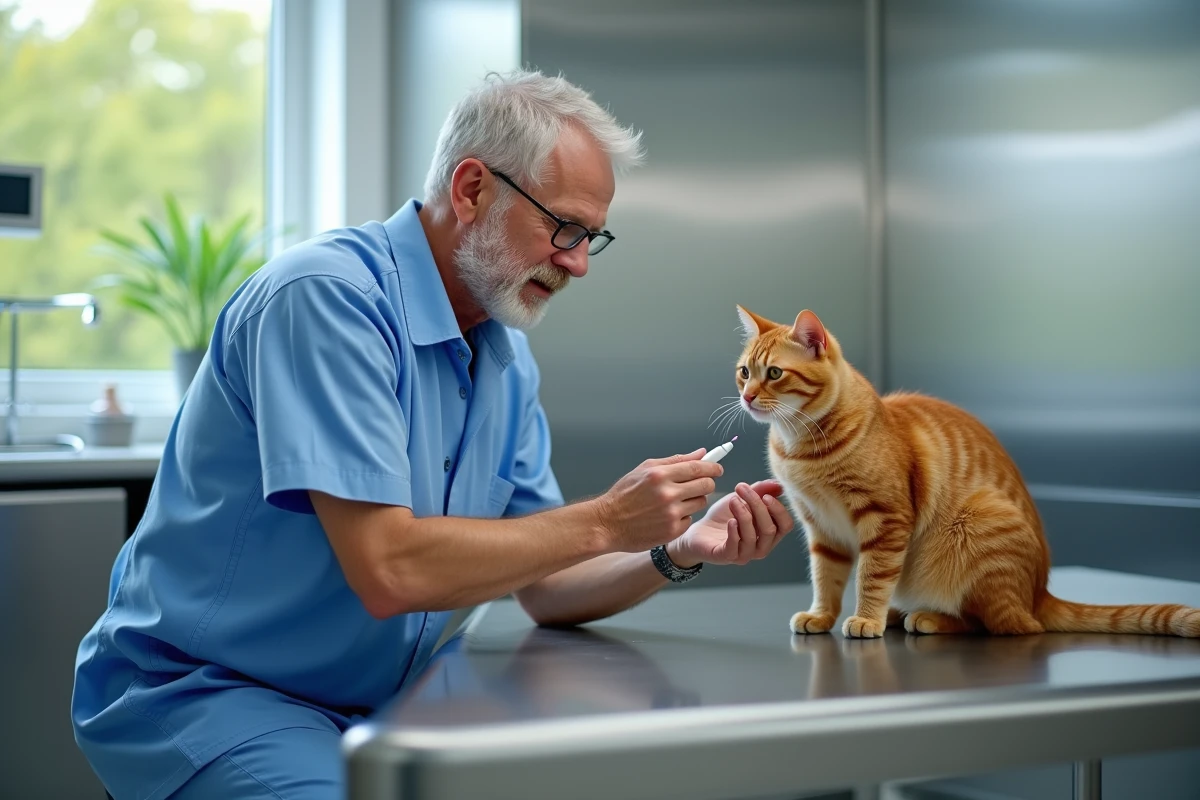
Discovering that your cat suffers from diabetes mellitus disrupts routines and requires adopting new reflexes. Insulin becomes essential: two injections per day, at fixed times. This ritual, sometimes daunting at first, quickly becomes a mastered gesture, reassuring for both the animal and the person caring for it. The veterinarian guides step by step to learn how to handle syringes or injector pens and observe the animal’s reactions over time.
Monitoring blood glucose remains the cornerstone of management. If caught early and closely monitored, a cat can even enter remission. However, one must remain alert to any signs of hypoglycemia: lethargy, tremors, loss of balance require immediate intervention. Regular veterinary appointments are essential to adjust dosages, refine treatment strategies, and prevent complications such as ketoacidosis or kidney failure.
Diet plays a key role in daily management. Here are the recommendations to follow to optimize the dietary regimen:
- adopt a specific food for diabetic cats, low in carbohydrates and high in protein
- divide meals to limit spikes in blood glucose
- maintain constant access to fresh water
- avoid unsuitable treats
Physical activity, even moderate, helps stabilize weight and improve metabolic balance.
Given the frequency of care and the costs that can accumulate, taking out a pet health insurance covering diabetes management allows for approaching this new routine with more peace of mind. Managing a diabetic cat requires vigilance, continuous adaptation, and trust in the relationship with the veterinary team. It is then discovered that behind the discipline, the bond with the animal strengthens, day by day.